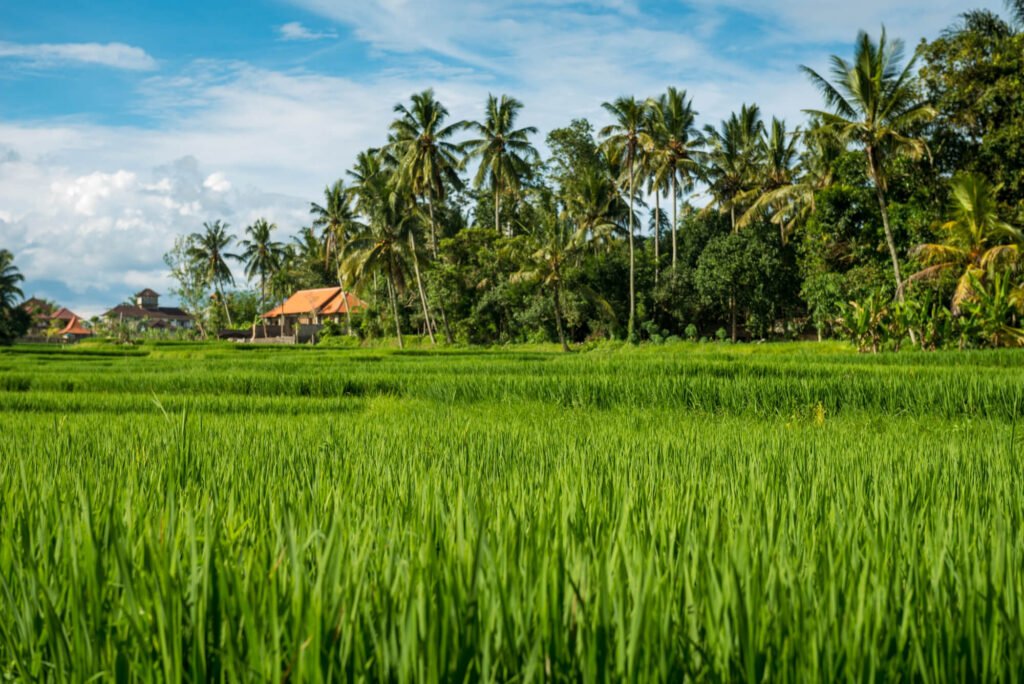
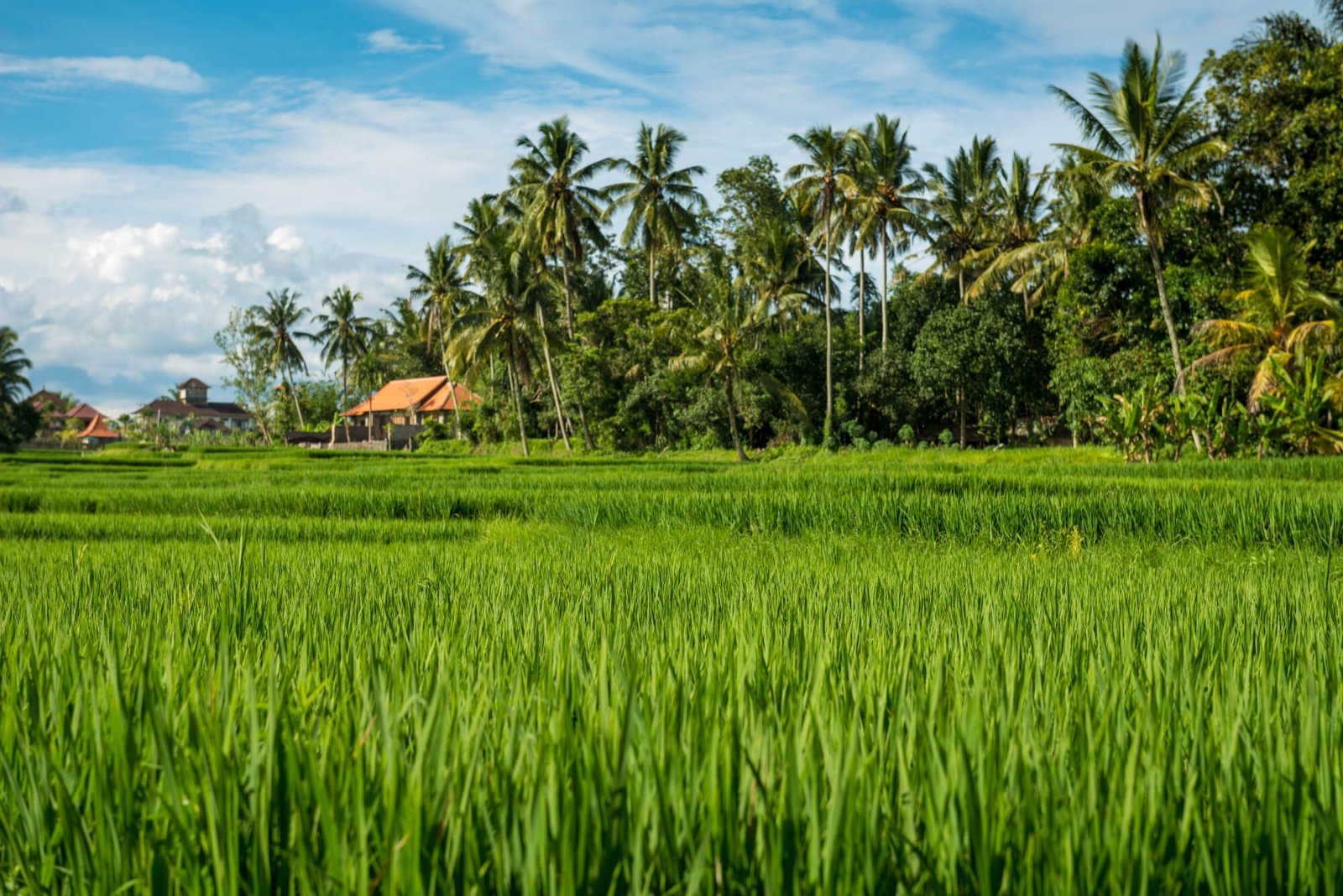
We, at Thy Progressive Foundation, are envisioned as a social organization; involved in Social work activities dedicated to fostering holistic development in rural agricultural communities, through public education, public health, livelihood, and sustainable development.
Thy Progressive Foundation is a Private Company incorporated on 18 March 2021. It is classified as a Non-government company and is registered at Registrar of Companies, Delhi.
Thy Progressive Foundation’s Corporate Identification Number (CIN) is U85300DL2021NPL378787 and its registration number is 378787.
Implementing government guidelines for basic education, developing Ed-Tech platforms to improve learning outcomes, and supporting initiatives to address educational challenges (improve drop out rates).
Collaborating with local communities, Self-Governance agencies, Local administration, government agencies and non-profits to address environmental issues and promote sustainable practices.
Implementing innovative farming techniques, providing access to quality seeds and indigenous fertilizers for organic farming, and offering training programs for modern agricultural practices.
Conducting workshops and awareness campaigns on sustainable farming, water conservation, and soil health.
Supporting agri-based enterprises, facilitating access to markets, and providing financial literacy and entrepreneurship training.
Ensuring access to clean water, promoting nutritional practices, and providing healthcare services to rural communities.
Enhancing career opportunities from resources at hand and livelihoods through leadership development, skill-building, and entrepreneurship programs.
Empowerment and Upliftment: Championing women and youth health and education through promoting Traditional Indigenous Peoples’ Knowledge system, nurturing children’s well-being, advancing maternal and child health and nutrition, and fostering equal opportunities for all.
Sustainability: Combating climate change to protect vulnerable communities and promoting sustainable development practices.
Government, Non-Profits and Communities: Working closely with government bodies; non-profit organizations and local communities to implement and monitor projects.
Partnerships: Engaging with Self-Governance Units, local administration, corporate partners, where necessary, to secure technical support and investments and run programs more effectively.
Community Support: Providing direct interventions to address critical societal problems and transforming lives through various initiatives.
Collaborative Efforts: Partnering with locals, Self-Governing bodies, Local administration, organisations like UN bodies to reduce wasting in specific districts and contributing to broader social upliftment goals.
Sustainability: Combating climate change to protect vulnerable communities and promoting sustainable development practices.